



Tag Archives: minoxidil for men
Minoxidil for Men Could Be the Confidence Boost Beauty Routines Have Been Missing
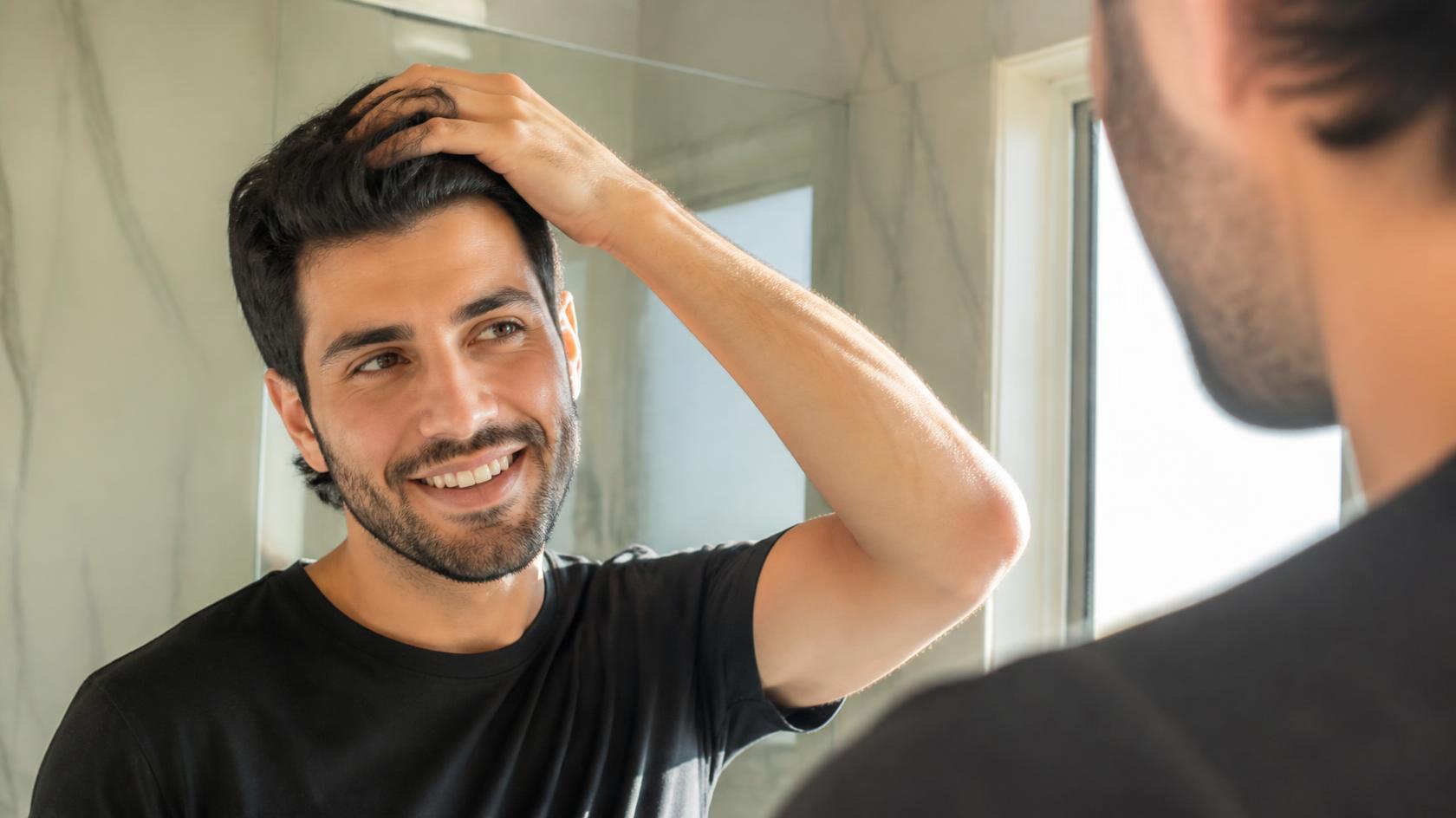
Hair loss rarely announces itself. It creeps in through a thinning part, a hairline that seems to retreat a little more each year, or a shower drain that collects more strands than it used to. For a lot of men, that slow realization chips away at something bigger than appearance.
It affects how they see themselves in photos, how they carry themselves at work, and how comfortable they feel in social settings. This is where minoxidil for men (minoxidil para hombres) enters the conversation, not just as a medical treatment, but as part of a broader beauty and self-care routine that many men are only now starting to take seriously.
A Treatment Rooted in Decades of Use
Minoxidil has been around since the 1980s, originally developed to treat high blood pressure before doctors noticed an unexpected side effect: hair growth. Since then, it has become the most widely used over-the-counter treatment for male pattern baldness.
The 5% topical solution is applied directly to the scalp, usually twice a day, and works by extending the growth phase of hair follicles while improving blood flow to the area. It does not cure baldness.
It manages it, and for many men, that management is enough to feel like they have some control back.
What makes this relevant to beauty routines rather than just medicine cabinets is the way men are now approaching hair care. It is no longer treated as an afterthought squeezed in after shaving.
It is being folded into morning and evening rituals alongside skincare, grooming, and general wellness habits. That shift matters because consistency is the single biggest factor in whether minoxidil actually works.
Why Routine Matters More Than the Product Itself
Minoxidil is not a quick fix, and that part tends to get buried under before-and-after photos. The first month typically shows little to no visible improvement.
Some men even notice increased shedding in the early weeks, which sounds alarming but is actually a normal part of the process.
Older hairs in a resting phase get pushed out to make room for new growth. It is uncomfortable to sit through, especially when you are hoping for something faster, but it is expected and temporary.
Real change tends to show up between the third and sixth month of consistent use. That is a long time to commit to something with no visible payoff yet. A moisturizer or a haircut delivers instant feedback. Minoxidil does not work that way.
Men who tie it to something they already do daily, like brushing their teeth or washing their face, tend to stick with it long enough to actually see results. That kind of habit stacking is probably the most underrated part of making the treatment work.
The Confidence Angle Is Not Just Anecdotal
There is a reasonable link between visible hair loss and reduced self-esteem, and it shows up across dermatological and psychological research. Hair carries social meaning tied to youth, vitality, and attractiveness, whether that is fair or not.
When men feel their hair is thinning, it often affects how they present themselves, sometimes leading to avoidance of certain social situations or increased self-consciousness in professional settings.
Restoring even a portion of that hair, or simply stopping further loss, can shift how a person feels about their appearance. This is not about vanity. It is about the quiet, daily interactions people have with mirrors, cameras, and other people.
When a routine includes a legitimate, science backed component like minoxidil, it stops being about looking good and starts being about feeling comfortable in your own skin again.
Side Effects Are Real But Usually Manageable
No honest conversation about minoxidil skips the side effects. Scalp dryness, itching, and mild irritation are common, especially in the first few weeks.
This often comes from propylene glycol, an ingredient in many lotion formulations that helps the active compound absorb into the scalp. Men who find this irritating sometimes switch to foam versions, which typically skip propylene glycol altogether.
There is also a small chance of unwanted hair growth in areas where the product accidentally spreads, usually from not washing hands thoroughly after application. People with cardiovascular conditions are generally advised to consult a doctor before starting, since minoxidil was originally a blood pressure medication and can still have mild systemic effects in some individuals.
Making It Part of a Bigger Picture
Minoxidil works best when it is not treated as a standalone solution. Scalp health, diet, stress levels, and sleep all play supporting roles in hair growth.
Men who pair the treatment with basic scalp care, like gentle massage or using a dermaroller to improve circulation, sometimes report better outcomes, though results vary. It is also worth knowing that certain substances affect more than just one area of health.
Research into the impact of steroids on skin and hair health, for instance, shows how deeply systemic choices ripple outward into visible physical changes, which is a reminder that hair care rarely exists in isolation from the rest of how you treat your body.
Grooming has expanded well beyond shaving and cologne. It now includes skincare, hair care, and appearance maintenance as normal, everyday parts of life for men. Minoxidil fits into that category without much fuss.
It is not flashy. It asks for patience and repetition over weeks and months. But for men willing to commit to it, the reward often goes past the mirror and into how they carry themselves through an ordinary day.
Hair may grow back slowly, but the sense of doing something proactive about it tends to show up much sooner than the results do.